What Is an Option? (And How Does It Work?)
You've probably heard the word "option" tossed around in trading conversations - usually right next to terms like "YOLO calls," "theta decay," or "I just blew up my Robinhood account."
But let us pause for a second. Before we even talk Greeks or volatility or Black-Scholes, we have to ask. What actually is an option?
Let's strip this thing down. No jargon, no equations. Just a clear explanation built from something we all know about. Stocks.
Starting with What We Know - Stocks
A stock is simple. You buy it, you own it. You are entitled to a slice of the company (however small), any price appreciation, and maybe some dividends.
If you buy 100 shares of Apple at $150, and the price goes to $170, then congrats. You just made $2,000. Clean, direct, and linear. You win if the stock goes up. You lose if it drops.
Easy enough.
Now Enter the Option
An option is not ownership. It's a contract. More specifically, it's a contract that gives you a choice.
Call options
A call option is one type of option contract that gives the right to buy at a specified strike price
Long Call (Buying a Call Option)
A call option is one type of option contract. There is a price to enter into this contract, this is called the premium. Once entered into this contract, it basically says, "you don't own the stock yet, but if you want to, you can before a certain date at a set price."
That is a call option. It gives you the right, but not the obligation, to buy the underlying asset at a set price, referred to as the strike price. It can be thought of as putting a stock on reserve, with an expiration clock ticking.
Want to bet on Apple going to $170 without actually buying it? You could buy a call option that gives you the right (but not the obligation) to buy Apple at $160, let's say, sometime next month.
If Apple does not go above $160? You don't exercise your right to buy the stock at $160 and lose the premium paid. If it does, you can buy at $160 and sell at market, while pocketing the difference less the premium paid to enter into the contract. During this time period, you did not own the stock, you owned the possibility of owning it—and that possibility had value.
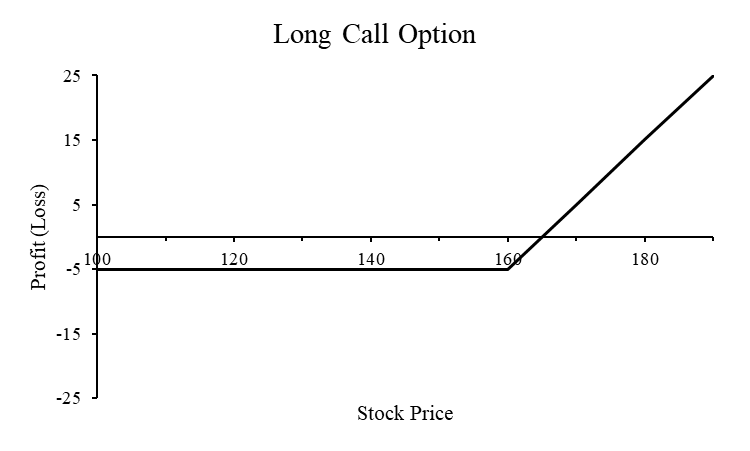
This is a bullish strategy. You expect the stock to rise.
Short Call (Selling a Call Option)
Here, you're selling someone else the right to buy stock from you at a set price. You collect a premium upfront in return for the obligation to sell should the price of the underlying stock go above the strike price.
You are the one taking the other side of the bet on Apple. You believe that Apple will not surpass $160. Since you are selling the right to buy at a specified strike price, you collect a premium. Should the stock go above $160, you must deliver the shares to the party holding the long position on the call option at that strike price. If the difference is larger than the premium you received, you are incurring a net loss on your position. However, should the stock stay below $160, you pocket the premium received.
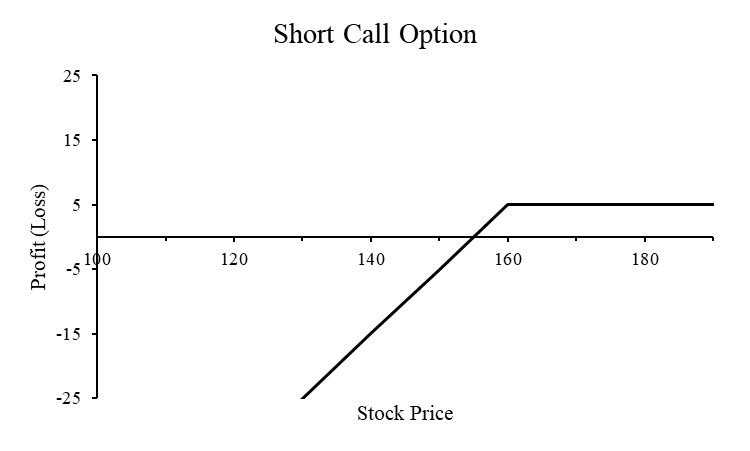
This is a bearish or neutral strategy. Risk is high unless you already own the stock (this would be called a covered call).
Put Options
A put option is another type of option contract that gives the holder the right to sell their stock at a specified strike price
Long Put (Buying a Put Option)
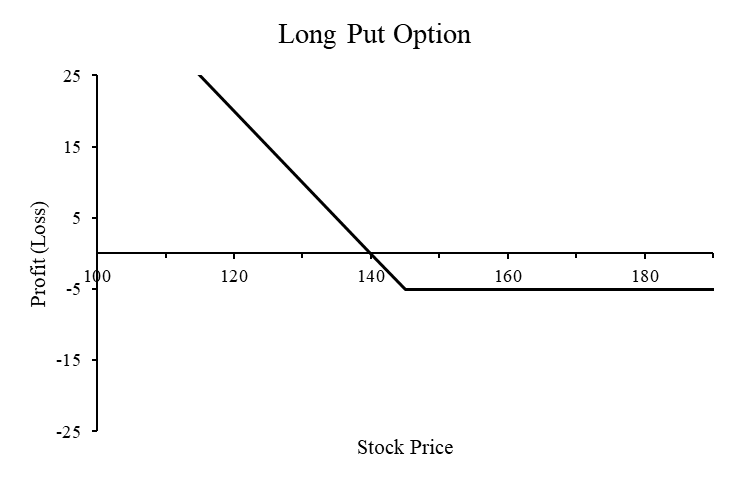
A put option gives you the right—but not the obligation—to sell a stock at a set price (strike price) by a certain date. You pay a premium to obtain this right.
Think the stock is going to drop? Let’s say Apple is trading at $150, and you think it’s going down. You could buy a put option that gives you the right to sell Apple at $145.
If Apple stays above $145, the put is worthless and you lose the premium. If Apple drops to $130, you can buy it at $130 and use your right to sell it at $145, pocketing the difference (minus the premium paid).
This is a bearish strategy. You profit if the stock goes down.
Short Put (Selling a Put Option)
Selling a put means you’re selling someone else the right to sell stock to you at a set price. You get paid a premium for taking on this obligation.
You’re betting the stock stays above the strike price. If it does, the option expires worthless and you keep the premium. But if the stock drops below the strike price, you may be forced to buy it at a higher price than the market is offering—leading to a loss.
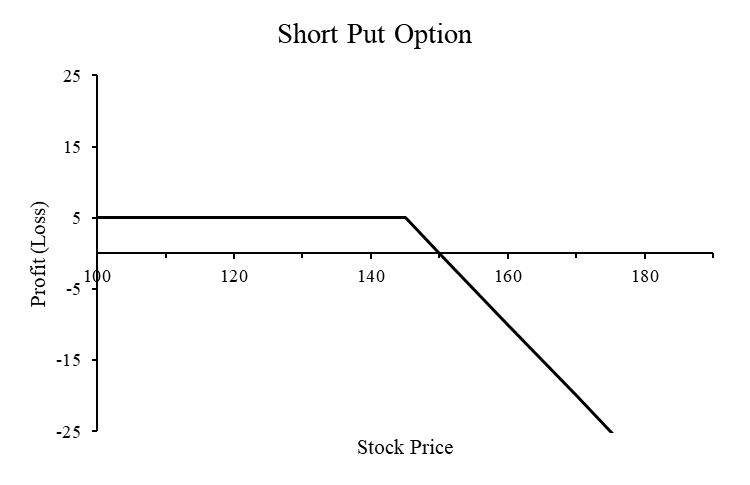
This is a bullish or neutral strategy. You’re essentially saying: “I don’t mind buying this stock if it gets cheaper,” and getting paid for it.
Summary
Options give investors tools to speculate, hedge, or enhance returns. But they are not simple. Time decay, implied volatility, and strike prices all impact how these instruments behave.
This is just the beginning.